

The Power of a Pitch Deck in Your Company’s Future, Why Every Startup Needs a Pitch Deck

A pitch deck is arguably the most crucial element in capturing investor interest and securing funding for your startup. It allows you to tell your story clearly and compellingly, showcasing your business model, strategy, and funding needs. However, investors spend only about 2 minutes on a pitch deck, so every second counts.
In this guide, we’ll cover essential tips for crafting an effective pitch deck that grabs attention and opens the door to investment.
What is a Pitch Deck?
A pitch deck is the first impression your startup makes with an investor. It serves as a visual tool to quickly capture their attention and present your story. However, the primary goal of a pitch deck isn’t to secure immediate investment but to land a follow-up meeting.
Statistically, only about 1% of pitch decks result in investment. To stand out, your pitch must be creative, well-researched, visually engaging, and informative. Understanding the importance of each component can be the key difference between success and failure.
Types of Pitch Decks for Different Scenarios
Your pitch deck should adapt based on the audience and circumstances. Different scenarios require different approaches

1. Full Investor Pitch Deck
This pitch is designed to appeal to venture capitalists or angel investors, focusing on key elements like financial metrics, market potential, and a strong business model. Incorporate detailed charts and visuals to showcase your growth prospects. Highlight your team’s expertise and how it aligns with your business strategy.
2. Demo Day Pitch Deck
It is a condensed presentation designed for startup founders to pitch their business to potential investors during a demo day event. These events typically involve multiple startups pitching in quick succession, usually with just 5-10 minutes per presentation. With the limited time, the deck must clearly and quickly convey your business’s value proposition, market opportunity, and growth potential. The focus is on visual storytelling, with minimal text and impactful visuals that engage the audience instantly.
3. Elevator Pitch Deck
This deck is a brief, one-to-two-minute presentation that highlights the core aspects of your business. Like the problem, your solution, market potential, traction, and funding needs. It’s designed to quickly grab attention and spark interest, creating an opportunity for further discussion.
While creating a compelling pitch deck can be challenging, certain core elements are essential for all startups. Answering these key questions clearly is crucial for a successful pitch

2. How does your product solve this problem? Can it generate revenue?
Describe your solution’s unique value, demonstrating how it creates value and the potential for monetization.

3. How will you acquire and retain customers?
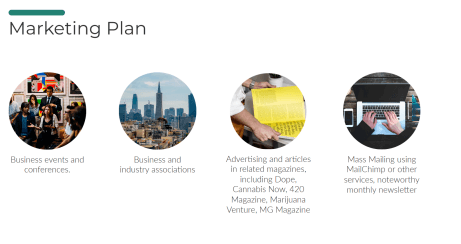
Outline your customer acquisition strategy, focus on scalability, retention plans, and growth tactics
4. What is the size of the market opportunity?
Quantify the market size and growth potential, showing the room for success and expansion.

5. What are your financial projections? Are they reasonable?
Provide realistic revenue projections backed by solid data and assumptions to show growth potential.

6. What do you need from investors?
Be specific about the amount of funding you’re seeking and the terms, making the investment opportunity clear.

Startup Pitch Deck Tips
Keep it concise: Limit your pitch deck to 10-15 slides, focusing on key points that drive your story forward without overwhelming the viewer
Make it relatable: Use examples and analogies that resonate with your audience to help them connect with your business and understand its value.
Be unique with your design: Steer clear of generic templates. Create a customized, polished presentation that reflects your brand. Substance should always take precedence over style.
Define your business quickly: Open with a clear and concise description of what your company does, keeping it specific and to the point.
State your request: Clearly state your funding request, including the amount, terms, and specifics such as security type and timing right at the beginning
Keep text minimal: Use bullet points to highlight key information, making your deck easy to read and engaging.
By focusing on these guidelines, your pitch deck will be a more compelling, effective tool for engaging investors and sparking interest.
If you need assistance in structuring your pitch deck, don’t hesitate to reach out to our team. We’d be happy to collaborate with you.